
We are committed to sharing news, stories, events and opinions that ensures our province stays free, united and independent from the overreach of the Federal government.
All are welcome and respectful debate is encouraged. Please join with the intention of participating. Proceeds are donated.

I was listening to a podcast and one thing that was talked about was echo chambers. I know that I find it easy to get stuck in an echo chamber. Sometimes I find it easier and less frustrating to be in them. But in saying that, I know that we need to hear alternate opinions to know what others think. With that in mind, how do you go about listening to alternate opinions? And what about propaganda? I won't even start with CBC which we all know about. But does anyone read or listen to media from outside Canada such as Al Jazeera? What about media from South America or Asia? I know that much of it is probably influenced by the government but I would be curious how different sources portray the same news event. By listening to various sources we can probably get a better picture and better understanding of what truly went on. I would be curious how Pravda portrayed what happened in Venezuela? What about Al Jazeera? What did the media say in Japan after the same event?
So much going on and so much noise...

Use these discount codes to get 1/2 price subscription.
Monthly FREEALBERTA -$1
Annual GWDISCOUNT- $12
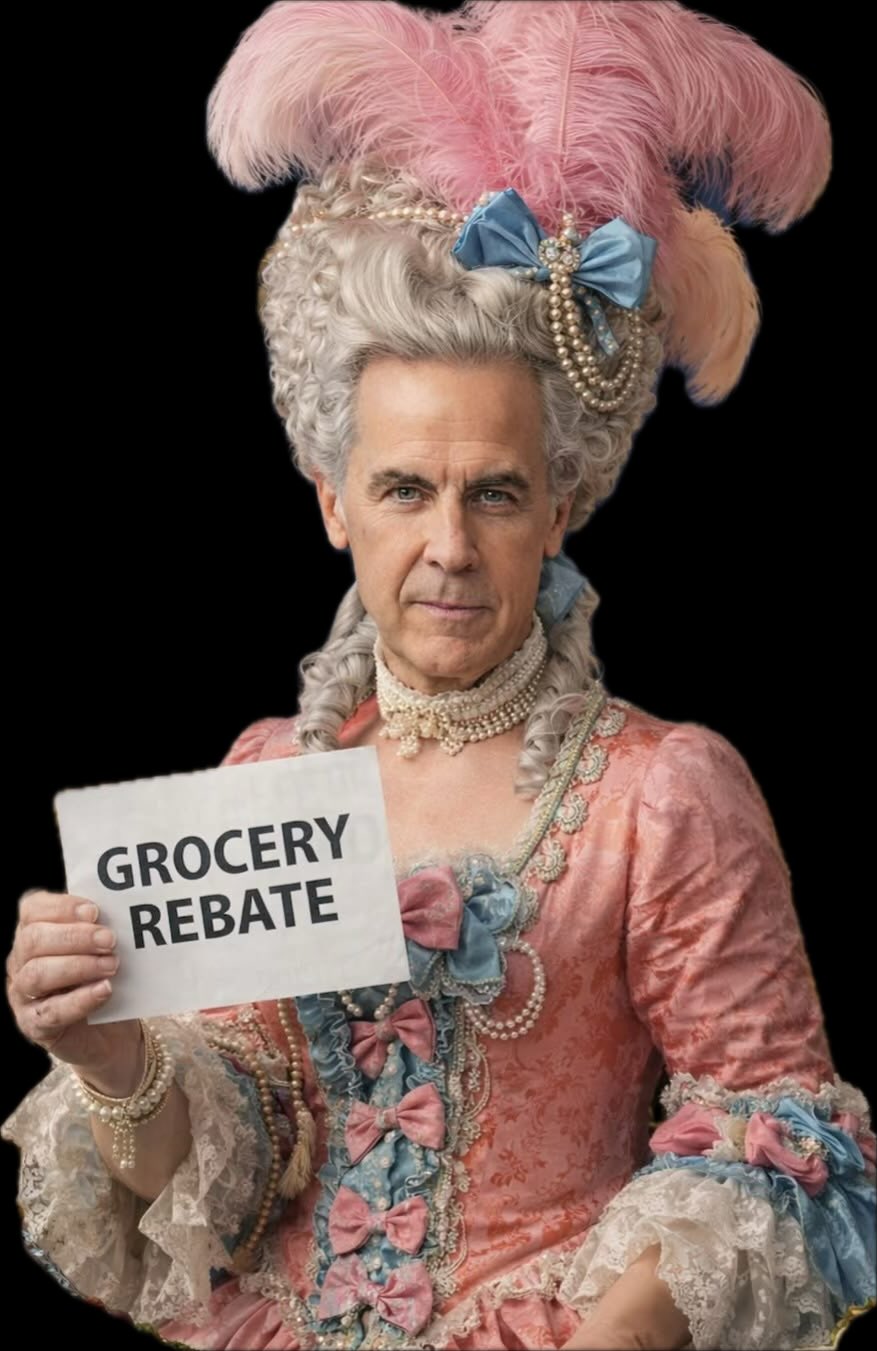
Sheldon is on fire today. His second post is in the comments. You’ll have to open the links to see the “pledges”.
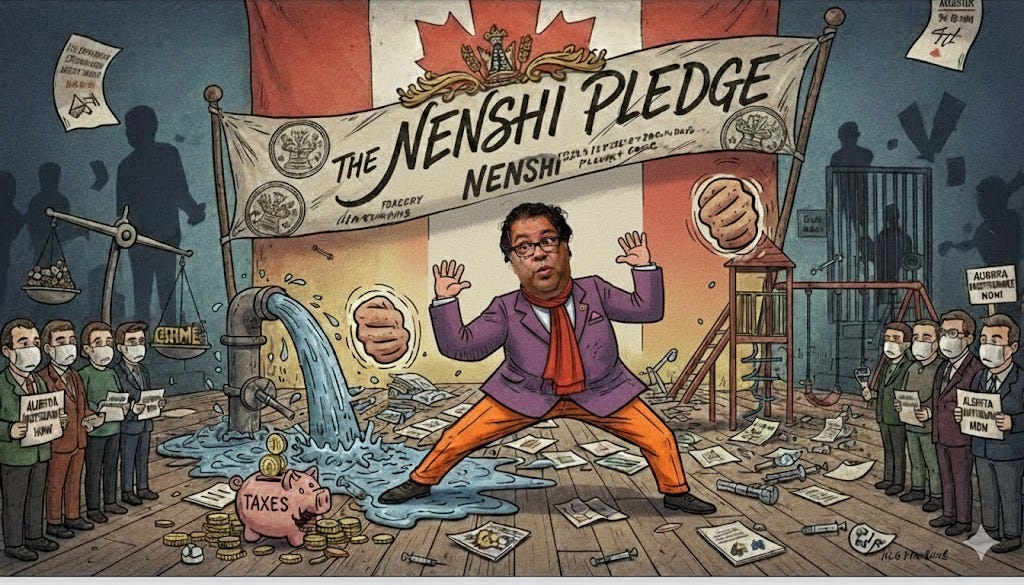
It’s not just now that the watermain fiasco in Calgary has caused Alberta NDP leader and former mayor of Calgary - Naheed Nenshi - to ramp up his vitriol. But in the aftermath, it increasingly appears the NDP ideological cheese has slid completely off the cracker of reality.
After taking a brief pause, roughly three days, following his now-well-documented incompetence and initial denial of failure surrounding water-main maintenance, while nearly doubling property taxes as mayor and funneling those revenues into ideological indulgences, Nenshi has re-entered the arena swinging wildly. Not with solutions, but with divisive haymakers, as though the Official Opposition’s role is no longer to challenge government policy…but to oppose reality, independent thought, and democratic accountability itself.
Previously, I addressed the dangers of what I call “teddy-bear terminology” - the practice of wrapping soft, comforting language like “harm reduction” around ...